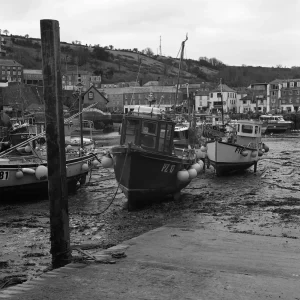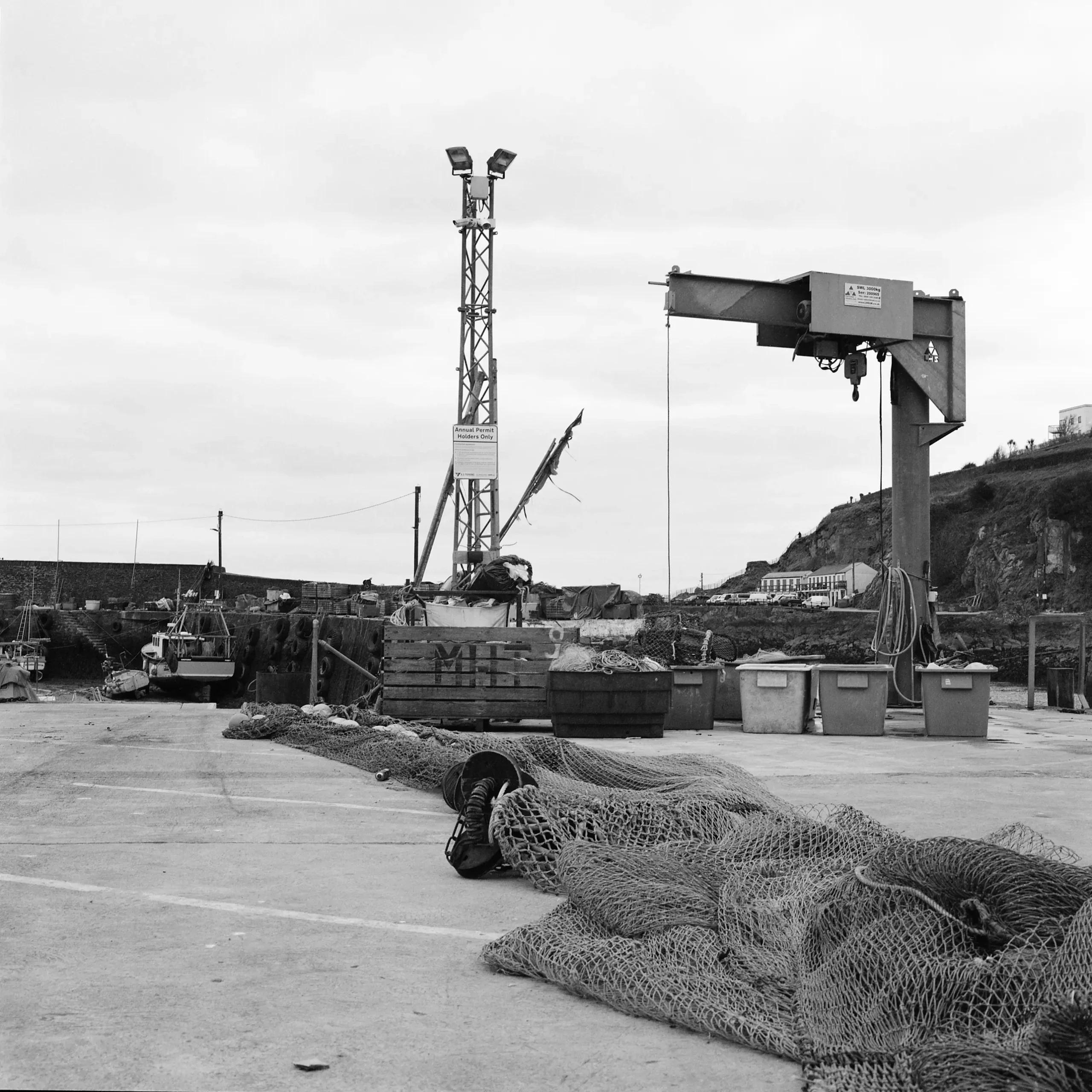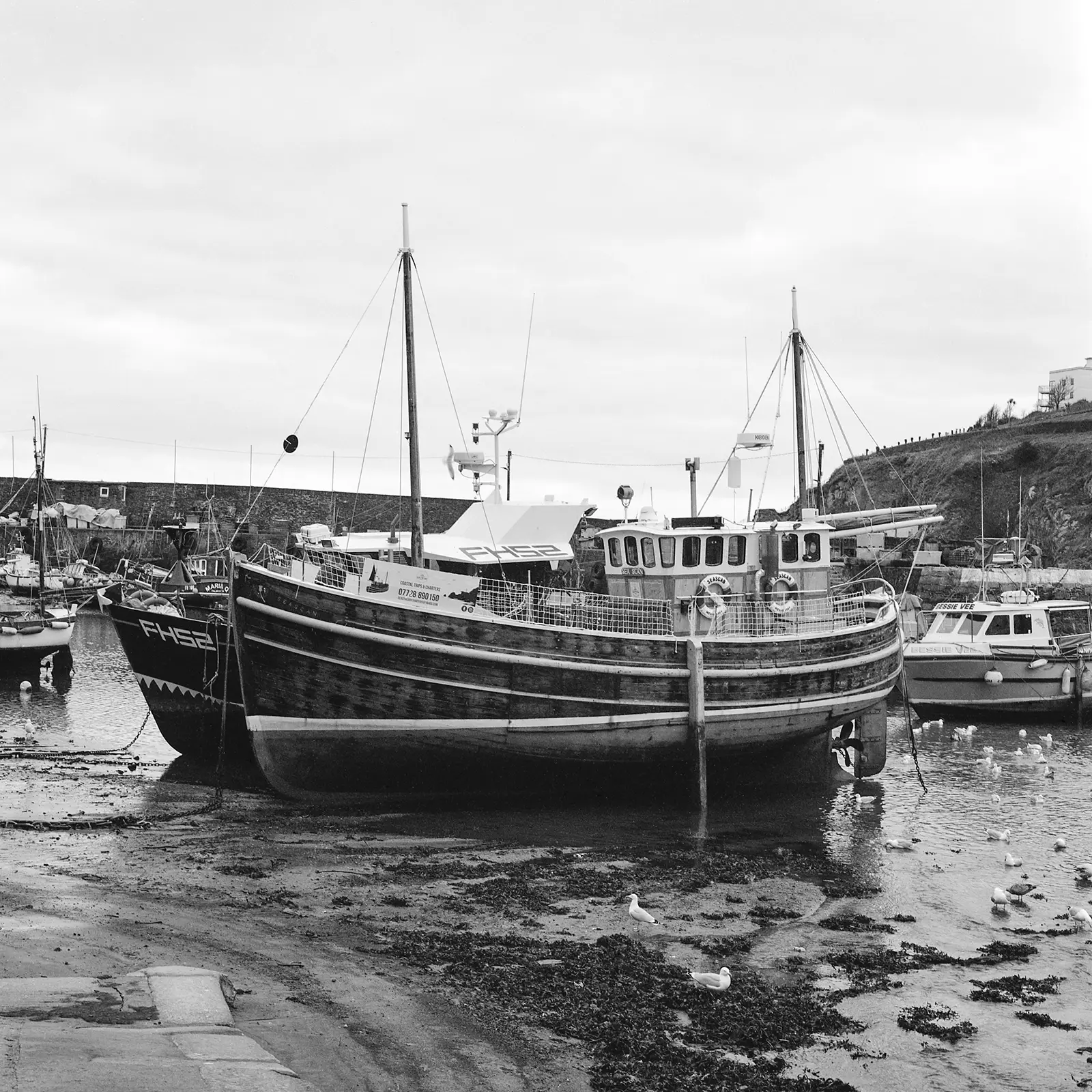
Mevagissey, on Cornwall’s south coast, has long been defined by its harbour and the lives shaped around it. Once a thriving fishing village known for pilchards and mackerel, the rhythms of daily life were tied to the tides and the working boats that filled the harbour. Today, those tides carry a different economy. As fishing has declined — challenged by reduced catches, changing markets, and rising costs — tourism has become the village’s main source of livelihood. The narrow lanes and sea-worn buildings now welcome visitors seeking an authentic glimpse of Cornwall’s maritime past.
This shift mirrors the transformation of St Ives, another Cornish town where the decline of traditional fishing opened space for art, craft, and tourism to flourish. Like St Ives, Mevagissey balances the preservation of its heritage with the realities of a visitor-driven future. The boats that remain in the harbour sit alongside pleasure craft, cafés, and guest houses, symbols of a community adapting while holding on to its identity.
The photographs presented here observe Mevagissey in this state of quiet transition — between work and leisure, heritage and reinvention. They reflect a village still marked by its fishing roots, yet defined increasingly by the gaze of those who come to see it.
For this photographic series I have used Traditional medium format 120 black and white film to capture the liminal space of Mevagissey — where the traces of maritime heritage linger alongside the marks of a visitor-driven present — hoping to reveal both what is lost and what persists.